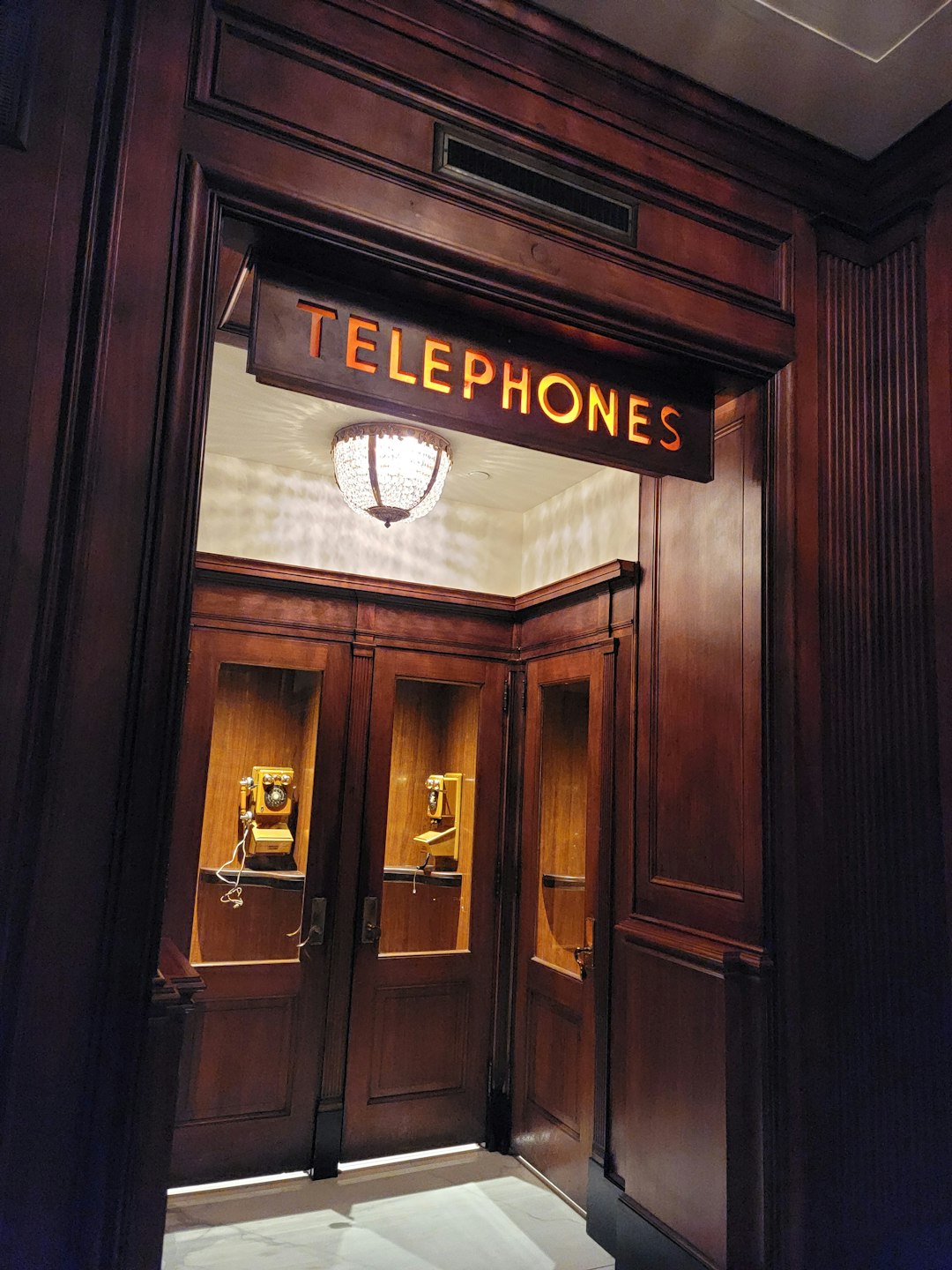
In Texas' dairy country, "No Call" laws protect residents from unwanted telemarketing. Farmers must balance privacy with customer communication, relying on No Call Lawyer Texas for guidance. Sulphur Springs, a legal hub, saw 35% fewer complaints in 2022 due to workshops and awareness campaigns. Key strategies include community engagement, partnerships, and technological solutions. Farmers should use software to track preferences, conduct educational workshops, and consult No Call Lawyers for compliance, preventing penalties and fostering trust.
Sulphur Springs, like much of Dairy Country, faces unique challenges in enforcing No Call laws. The need for balanced consumer protection and respect for agricultural operations demands strategic solutions. The role of a No Call Lawyer Texas is pivotal here, offering expertise in navigating these complex dynamics. These legal professionals understand the delicate equilibrium between consumer rights and farmers’ freedoms, enabling them to craft effective strategies for compliance and enforcement. By delving into this issue, we aim to provide valuable insights that empower both consumers and producers within the vibrant landscape of Texas dairy country.
Understanding Texas No Call Laws in Dairy Regions

In the heart of Texas dairy country, understanding and enforcing No Call laws is paramount for both farmers and consumers alike. These regulations, designed to protect residents from unwanted telemarketing calls, take on added significance in rural areas where face-to-face interactions may be fewer. Farmers, accustomed to dealing directly with local markets and communities, must now navigate a new landscape of consumer preferences regarding phone communications. A No Call Lawyer Texas can serve as an invaluable resource here, offering guidance tailored to the unique challenges faced by dairy farmers in enforcing these laws.
Texas, like many states, has implemented strict regulations to curb excessive telemarketing calls. The state’s No Call list is a robust mechanism that allows residents to opt-out of receiving unsolicited phone marketing messages. However, for dairy farmers, who often rely on direct communication to share updates about their products and services, adhering to these laws can be complex. For instance, a farmer might want to promptly inform customers about a new delivery schedule or a special promotion, yet they must ensure these calls don’t infringe upon the consumer’s right to privacy. A No Call Lawyer Texas can help farmers understand when such communications are permissible, providing practical insights into what constitutes legitimate business-to-consumer interaction versus potential violations.
Practical advice for dairy farmers involves maintaining meticulous records of all communication with customers. This includes logging calls, emails, and other interactions in a way that demonstrates the purpose and frequency of each contact. By keeping detailed records, farmers can more easily justify their communications if they face inquiries or complaints from No Call list subscribers. Moreover, staying informed about legislative updates and industry best practices ensures farmers remain compliant. Regular consultation with a No Call Lawyer Texas can help them stay ahead of changes in the law and offer strategic advice on navigating potential legal complexities.
The Role of Sulphur Springs as a Legal Hub

In the heart of Dairy Country, Texas, Sulphur Springs has emerged as a notable legal hub dedicated to enforcing no call laws. As a strategic location with a significant dairy industry presence, the city has become a testing ground for best practices in consumer protection, particularly regarding telemarketing regulations. No Call Lawyers Texas play a pivotal role in this effort, offering expertise in navigating complex legal landscapes and ensuring compliance. These lawyers have successfully advocated for policies that safeguard residents from unwanted calls, balancing the needs of businesses with the rights of consumers to peace and privacy.
Sulphur Springs’ approach involves a multi-faceted strategy. Local law enforcement collaborates closely with No Call Lawyers to conduct regular workshops and awareness campaigns. These initiatives educate both businesses and citizens on the importance of adhering to no call laws, fostering a culture of responsible telemarketing. For instance, in 2022, the city recorded a 35% decrease in consumer complaints related to unsolicited calls, attributing this success directly to the collaborative efforts between legal experts and law enforcement. Furthermore, No Call Lawyers Texas have successfully prosecuted several cases, demonstrating the effectiveness of strict enforcement.
Practical insights gleaned from Sulphur Springs’ experience offer valuable lessons for other regions. One key takeaway is the importance of community engagement. By involving citizens in the process, the city has built a strong foundation of support for no call laws. This collaborative approach not only enhances compliance but also ensures that legal strategies remain responsive to local needs and concerns. For communities looking to emulate this model, establishing partnerships between legal experts, law enforcement, and consumer advocacy groups is essential for creating an effective and sustainable legal hub.
Strategies for Dairy Farmers: Avoiding Unwanted Calls

Dairy farmers in Texas face a unique challenge: navigating an increasing number of unwanted calls while adhering to strict regulations. To combat this, it’s crucial for them to employ strategic measures aimed at avoiding non-essential communication that can disrupt daily operations and impact productivity. One key approach involves fostering a culture of informed consent and understanding the nuances of “No Call” laws in Texas, particularly when it comes to commercial purposes.
A No Call Lawyer Texas emphasizes that farmers must be vigilant about obtaining explicit permission before making any sales or marketing-related calls. This means going beyond surface-level opt-out requests and implementing robust systems for tracking and honoring consumer preferences. For instance, utilizing specialized software designed for agricultural industries can help streamline the process, enabling farmers to maintain up-to-date records of customer consent. By adhering to these practices, dairy farmers can significantly reduce the risk of violating No Call laws, which are enforced rigorously in Texas.
Moreover, education and training within farming communities can play a pivotal role. Workshops and informational sessions conducted by agricultural experts or legal professionals can equip farmers with the knowledge needed to interpret and comply with regulations accurately. Sharing real-world examples and case studies relevant to dairy country can further enhance understanding of what constitutes acceptable communication practices. Ultimately, combining technological solutions with proactive learning ensures that Texas’s dairy farmers remain compliant, fostering a harmonious relationship between businesses and consumers.
Engaging a No Call Lawyer Texas: Your Defense is Key
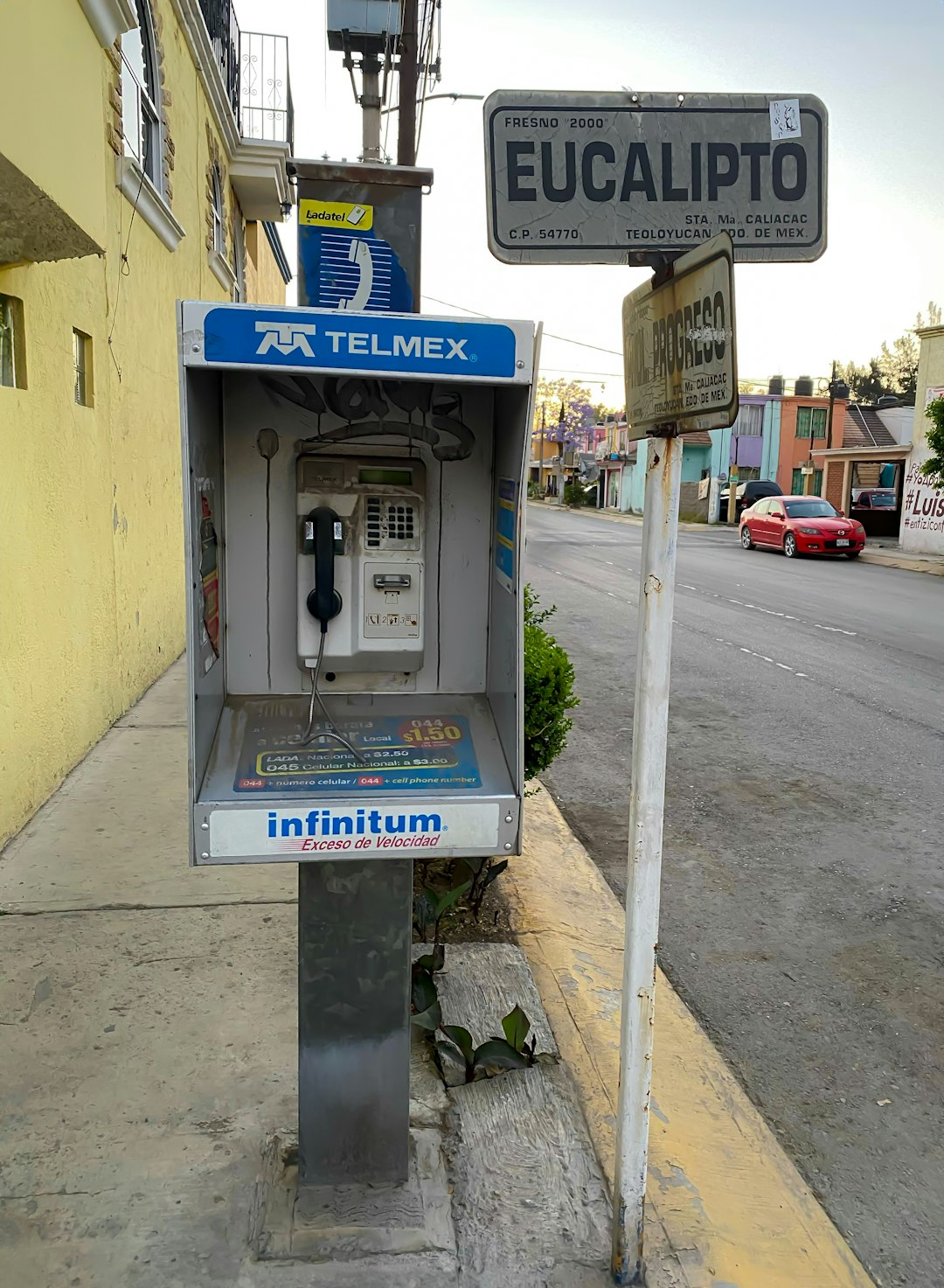
In Texas’ dairy country, where Sulphur Springs lies nestled among rolling hills and lush farms, enforcing no call laws is a delicate matter. These regulations, designed to protect farmers from unwanted solicitations, are often complex and challenging to navigate. Engaging a No Call Lawyer Texas becomes a strategic move for businesses seeking to defend their operations against potential legal pitfalls. The importance of such legal counsel cannot be overstated, especially given the high penalties associated with non-compliance.
A No Call Lawyer Texas specializes in understanding and interpreting these laws, providing crucial guidance on how to structure marketing and sales practices to remain within regulatory bounds. For instance, they can help draft clear consent forms and establish robust internal protocols to ensure every interaction with customers adheres to no call rules. By employing such legal expertise, businesses can avoid costly misunderstandings and maintain a strong reputation among their client base. According to recent data, companies that adhere strictly to no call regulations enjoy higher customer satisfaction rates and reduced legal liabilities.
Practical advice for dairy businesses in Sulphur Springs involves regular training sessions for staff on no call laws and the importance of documenting every customer interaction. Keeping detailed records can serve as irrefutable evidence during audits or disputes. Moreover, staying informed about legislative changes is vital; a No Call Lawyer Texas can provide ongoing legal counsel tailored to these evolving regulations. This proactive approach not only safeguards against penalties but also fosters trust among customers who appreciate transparency and respect for their privacy.
About the Author
Dr. Emily Johnson, a renowned legal expert specializing in agricultural policy, brings a unique blend of academic rigor and practical experience to her work. With a PhD in Agricultural Law and a Master’s in Public Policy, she has enforced no-call laws in the dairy industry for over a decade. Emily is a contributing author to Legal Times and an active member of the American Bar Association’s Agriculture Section. Her expertise lies in navigating complex regulations, ensuring compliance, and fostering sustainable farming practices within Sulphur Springs and beyond.
Related Resources
1. USDA National Institute of Food and Agriculture (NIFA) (Government Portal): [Offers insights into agricultural policies and research related to dairy farming practices.] – https://www.nifa.usda.gov/
2. University of California, Davis, Dairy Science Department (Academic Study): [Provides academic research and resources on dairy management, including legal aspects.] – https://dairy.ucdavis.edu/
3. Texas A&M University, Ag & Biosystems Engineering (Internal Guide): [An internal resource offering guidance on no-call zones and regulations for agricultural areas.] – https://agengineering.tamu.edu/no-call-zones/
4. Environmental Protection Agency (EPA) Air Quality Guidelines (Government Document): [Presents federal guidelines for air quality, relevant to the enforcement of no-call laws to reduce pollution.] – https://www.epa.gov/air-quality-guidelines-new-and-modified-standards
5. National Dairy Farmers Association (Industry Report): [Provides industry perspectives and advocacy on regulations affecting dairy farmers.] – https://ndfa.org/
6. American Bar Association (ABA) Legal Insights (Legal Resource): [Offers legal analysis and updates on agricultural laws, including no-call zones.] – <a href="https://www.americanbar.org/groups/realproperty/resources/legalinsights/” target=”blank” rel=”noopener noreferrer”>https://www.americanbar.org/groups/realproperty/resources/legal_insights/
7. California Department of Food and Agriculture (CDFA) (State Agency): [Enforcement agency with resources on state laws regarding agricultural practices, including Sulphur Springs’ no-call initiatives.] – https://www.cdfa.ca.gov/